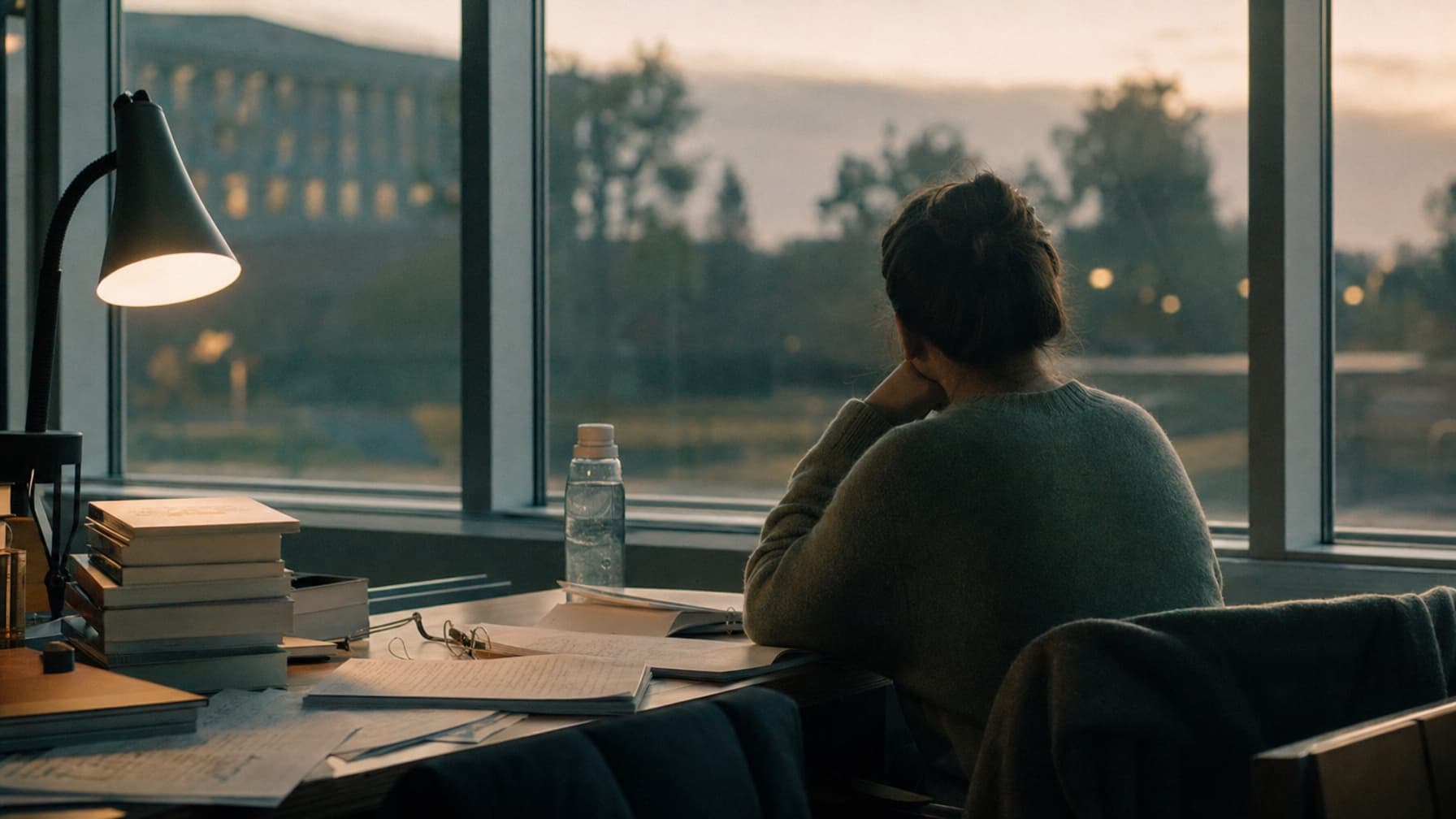
What is stress?
The WHO defines stress as a state of worry or mental tension caused by a difficult situation, and calls it a natural human response that prompts us to deal with challenges and threats. The NHS notes that some people find a degree of stress helpful or even motivating.
Stress is usually a reaction to an outside pressure, and it tends to ease once the situation is resolved (NIMH). Anxiety is related but different: it can carry on even when there is no current threat. Feeling stressed during exams, a wedding, a move or a hard month at work is ordinary and does not mean something is wrong with you.
What are the signs of stress?
Stress affects both the mind and the body. The WHO and NHS describe signs such as:
- Headaches, muscle tension, an upset stomach or a racing heart
- Trouble sleeping, or changes in appetite
- Difficulty concentrating, making decisions or relaxing
- Feeling overwhelmed, irritable or constantly worried
- Avoiding people or places, or drinking or smoking more
How can stress affect daily life?
The WHO says too much stress can cause physical and mental health problems, and that it becomes a concern when symptoms are persistent and start affecting daily functioning. The NIMH adds that ongoing stress and anxiety can affect sleep and the immune, digestive and cardiovascular systems, and can raise the risk of anxiety disorders or depression.
What causes stress?
Stress is usually a reaction to mental or emotional pressure (NHS). Common sources include:
- Work pressure, long hours or job insecurity
- Family or relationship difficulties
- Money worries
- Illness, either your own or someone close to you
- Bereavement
- Big life changes, including happy ones such as marriage, a new baby or moving house
What helps with stress?
The WHO and NHS suggest practical steps that many people find useful:
- Keep a daily routine with regular sleep and meals
- Stay physically active
- Talk to someone you trust; connecting with others can ease stress
- Break big tasks into smaller steps and do not try to do everything at once
- Try breathing exercises, relaxation or mindfulness
- Limit time on the news if it adds to your stress
- Avoid relying on alcohol, cigarettes or other substances to cope
When can a professional help with stress?
If stress is hard to cope with on your own, the WHO advises seeking help from a trusted health-care provider. The NHS notes that the talking therapies used for anxiety and depression, such as cognitive behavioural therapy (CBT), may also help with stress. A therapist can help you understand what is driving the pressure, practise ways to manage it and check whether anxiety or low mood has developed alongside it.
If work is the main source of pressure and you feel drained, detached or less effective over months, our burnout page explains that pattern. Students may find our guide to student mental health in Pakistan useful.
Common misconceptions about stress
- "All stress is harmful." Some stress is a natural response that helps us act (WHO, NHS). The problem is stress that stays high and long.
- "Stress is only in your head." Stress affects the body too, from headaches to sleep and digestion (WHO, NIMH).
- "Stress and anxiety are the same." Stress is usually a response to an outside cause; anxiety can persist without a current threat (NIMH).
When to seek professional support
- You are struggling to cope, or stress has lasted for weeks without easing
- It is affecting your sleep, health, work, studies or relationships
- What you have tried on your own is not helping
- You are relying on alcohol, smoking or other substances to get through
- Stress has turned into constant worry or persistent low mood
- You feel unable to keep yourself safe: get urgent help now